
In 1915, Thomas was a booming town with a population of roughly 7,000 people. But before the growth of the town, before the merchant families—the Colabrese, Dilettoso, Milkints, and De Pollo families—and before Henry Gassaway Davis and his brother Thomas Beall Davis helped shape the area, another family arrived in this wilderness and became part of the foundation of Thomas.
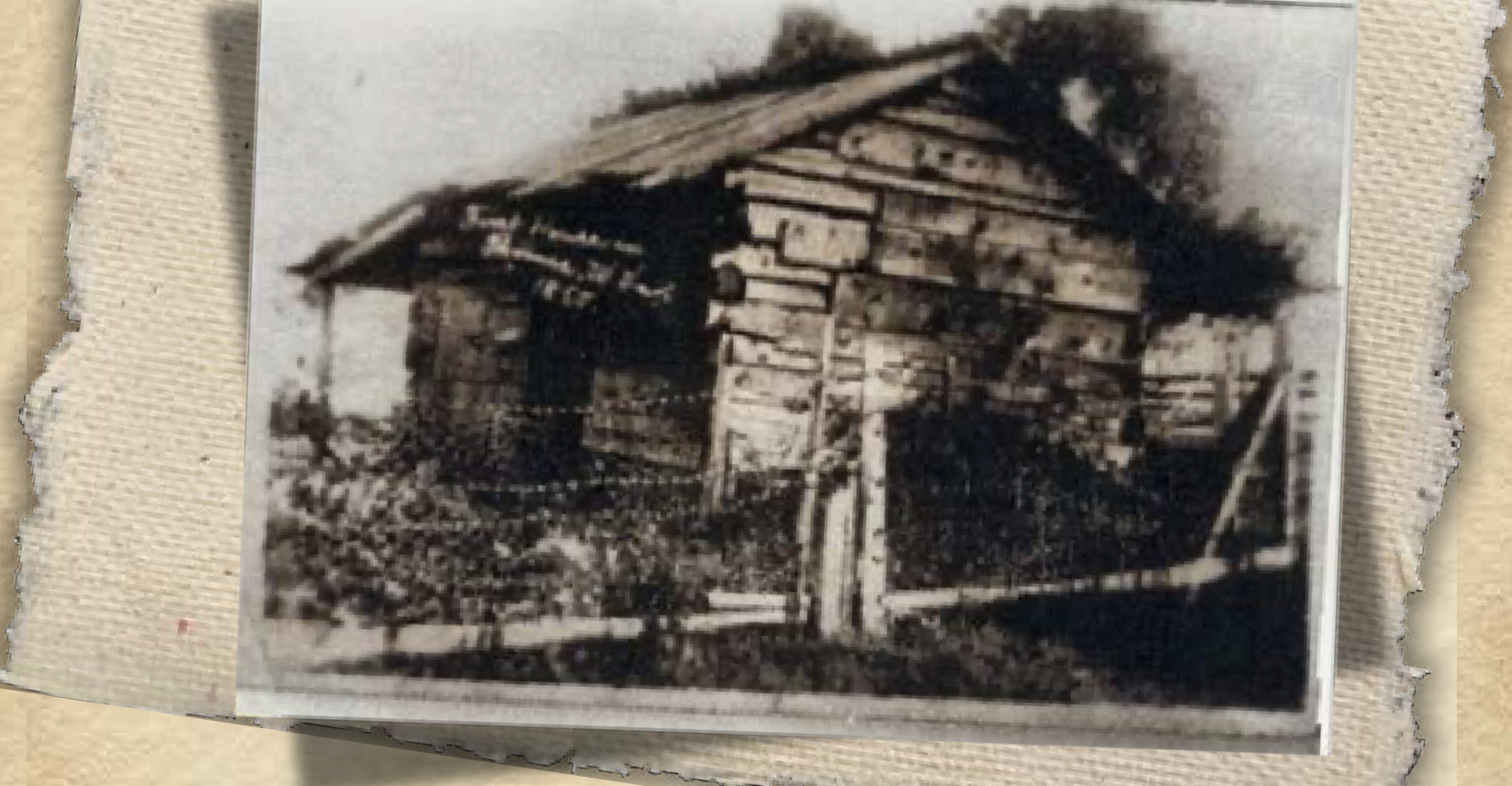
Jacob Christian Pase settled on a hill across from the North Fork of the Blackwater River. That hill would later become known as Rose Hill Cemetery. He was one of the first settlers to come into this wild and unknown land, leaving behind a more settled life to begin a new chapter in the West Virginia mountains. Jacob came from Clearfield County, Pennsylvania, in 1880. He arrived first and later brought his family to the area. During his early days, Jacob lived in a hunting cabin built by Samuel Kisner, who used the cabin while hunting the large deer population that once lived in the region.
Jacob’s oldest son, George Washington Pase, arrived less than a year later and built a cabin on the hill. At the time, the area was unofficially known as “Pase Hill” before the Town of Thomas later adopted the name Rose Hill after the town became incorporated. Because the land that would become Rose Hill Cemetery was town property, the official name was chosen by the town rather than by local residents. According to family tradition, many locals continued to refer to the area as Pase Hill for years afterward. George came with his wife, Margaret Mullenax, from Sugarlands. Their daughter, Maude Pase, was born on February 9, 1882, and was one of the first children born in what would become the town of Thomas. Jacob’s second son, Levi Pase, arrived in 1883 and also built a cabin for his family. At that time, Rose Hill was home to five families: three Pase families—Jacob, George, and Levi—as well as Daniel Miller’s family and David Arnold’s family.
The Pase family originally came from Germany before making their way to America. The exact reason Jacob chose to leave Pennsylvania for the wilderness of what would become Thomas is unknown. However, family tradition suggests that inheritance laws in Pennsylvania may have played a role. At the time, family farms were often divided equally among the children, leaving each heir with only a small portion of the land. It is believed Jacob may have sought greater opportunity by establishing a new homestead in the mountains of West Virginia. The family eventually settled in Pennsylvania before Jacob made the decision to become one of the first. I recently had the opportunity to speak with Philip D’Arcangelis, whose blood grandfather was
James Gary Pase of Thomas, who married Patricia Painter of Pierce in 1955. Hearing the stories passed down through his family and the pride they carried for the Pase name inspired Philip to share the story of his family and their journey.
When I asked Philip why Jacob left his life in Pennsylvania, he said he did not know. However, he believed that the mystery was part of what made the family story so interesting. “I think that’s what is so interesting about it. It gives it a mystery and feeling of adventure to the family.” Philip was also kind enough to take another coworker and me to the original homestead where Jacob lived. While the hunting cabin is long gone and the exact location of the home remains another mystery of the Pase family, the knowledge of the location has been preserved through the family.
The Pase family’s legacy can still be seen throughout Tucker County today. Pase Point Trail and Pase Point Overlook are reminders of the family’s connection to the land. A descendant of the Pase family, Daniel “Boone” Pase, helped maintain the trail and planned the route to the overlook. Although the Pase family may not be as well known as some of the other families who shaped Thomas, their story is an important part of the town’s history. Their journey represents adventure, determination, and the courage to leave behind the familiar to build a new life in the West Virginia mountains.