
Today, visitors come to Blackwater Canyon for its breathtaking overlooks, rushing waterfalls, dense forests, and abundant wildlife. Standing at Lindy Point or watching the Blackwater River wind through the canyon, it is easy to believe this landscape has always looked this way. In reality, the canyon tells a remarkable story of change. Over little more than a century, it was stripped of much of its ancient forest, altered by mining and logging, and slowly reclaimed by nature.
Before railroads reached Tucker County, Blackwater Canyon was covered by vast stands of red spruce, eastern hemlock, white pine, and hardwood forests. Some of these trees had stood for centuries, creating a cool, shaded landscape where ferns, mosses, and many other plant life thrived. The Blackwater River flowed clear through the canyon, providing habitat for native brook trout and countless other species. Black bears, deer, wild turkeys, bobcats, and many songbirds thrived here, while earlier generations also encountered elk, wolves, and mountain lions.
Everything began to change in the late nineteenth century with the arrival of the railroad. Lumber companies quickly recognized the value of the region's virgin timber, and logging railroads pushed deep into the canyon. Entire mountainsides were clear-cut to supply the growing demand for lumber. Little thought was given to conservation, and once the valuable timber was removed, little remained to protect the soil or encourage new growth.
The consequences were severe. Heavy rains washed exposed soil into streams, while logging debris fueled destructive forest fires that swept across the mountainsides. Wildlife lost critical habitat, and many species declined or disappeared from the region.
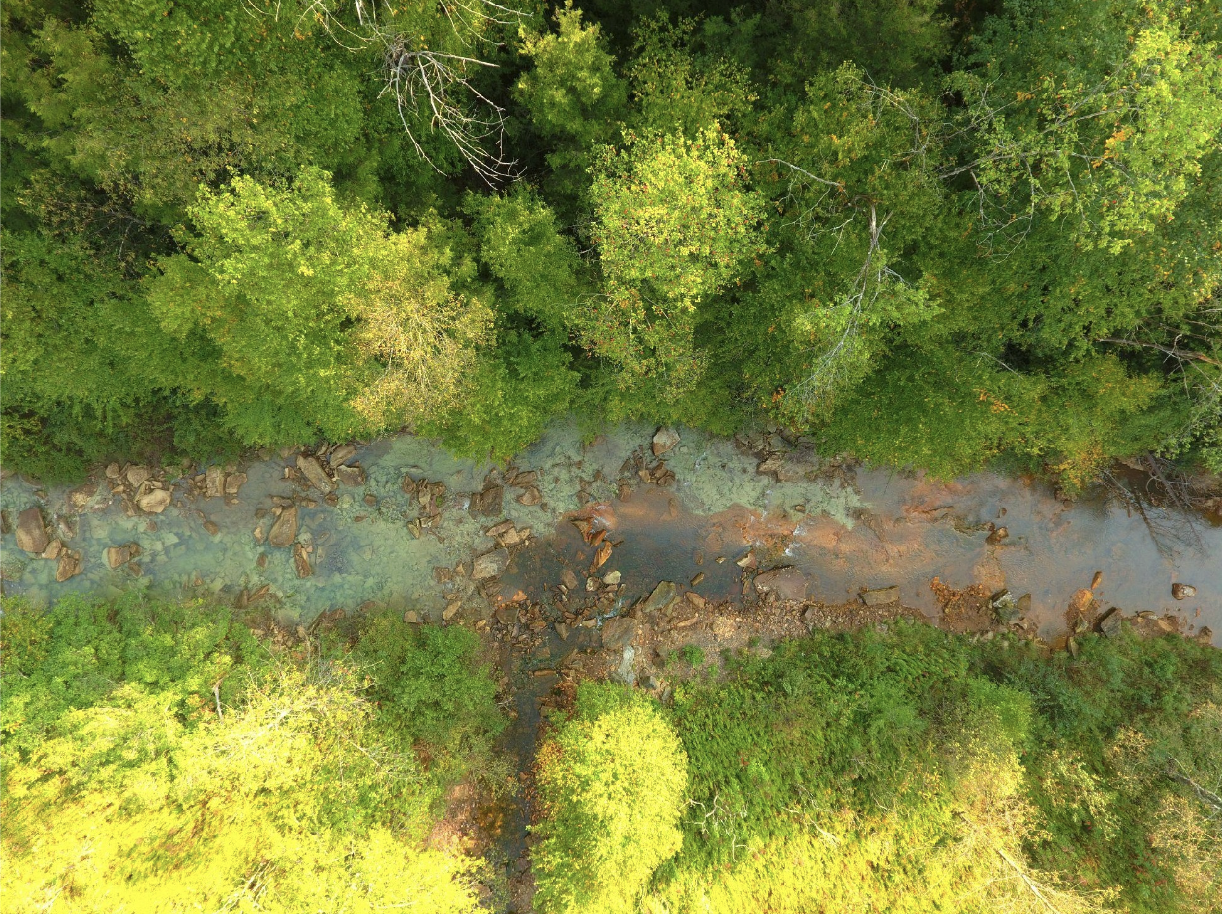
As logging transformed the forests, coal mining reshaped the surrounding communities. Mines around Thomas supplied fuel for homes, railroads, and industry, bringing jobs and new residents to Tucker County. Yet mining also left lasting scars. Sediment and waste entered nearby streams, while disturbed rock and abandoned mine workings affected water quality throughout the watershed. Together, logging and mining dramatically altered both the landscape and the Blackwater River.
By the early twentieth century, much of the original forest that once covered Blackwater Canyon had disappeared. Fortunately, the story does not end there. As logging declined and many mines closed, nature slowly began to reclaim the canyon. Second- growth forests spread across the mountainsides, and conservation efforts helped restore native red spruce to the highest elevations. Wildlife gradually returned, and today visitors once again encounter black bears, bobcats, river otters, and a wide variety of birds throughout the region.
Organizations and volunteers continue working to restore streams, improve water quality, and protect the canyon for future generations. Blackwater Canyon reminds us that history is written not only in old buildings and abandoned railroads but also in the landscape itself. The forests, rivers, and mountains we enjoy today are the result of both human industry and nature’s remarkable resilience. Understanding that history gives us a deeper appreciation for this unique place and the importance of preserving it for generations to come.