

Thank you.
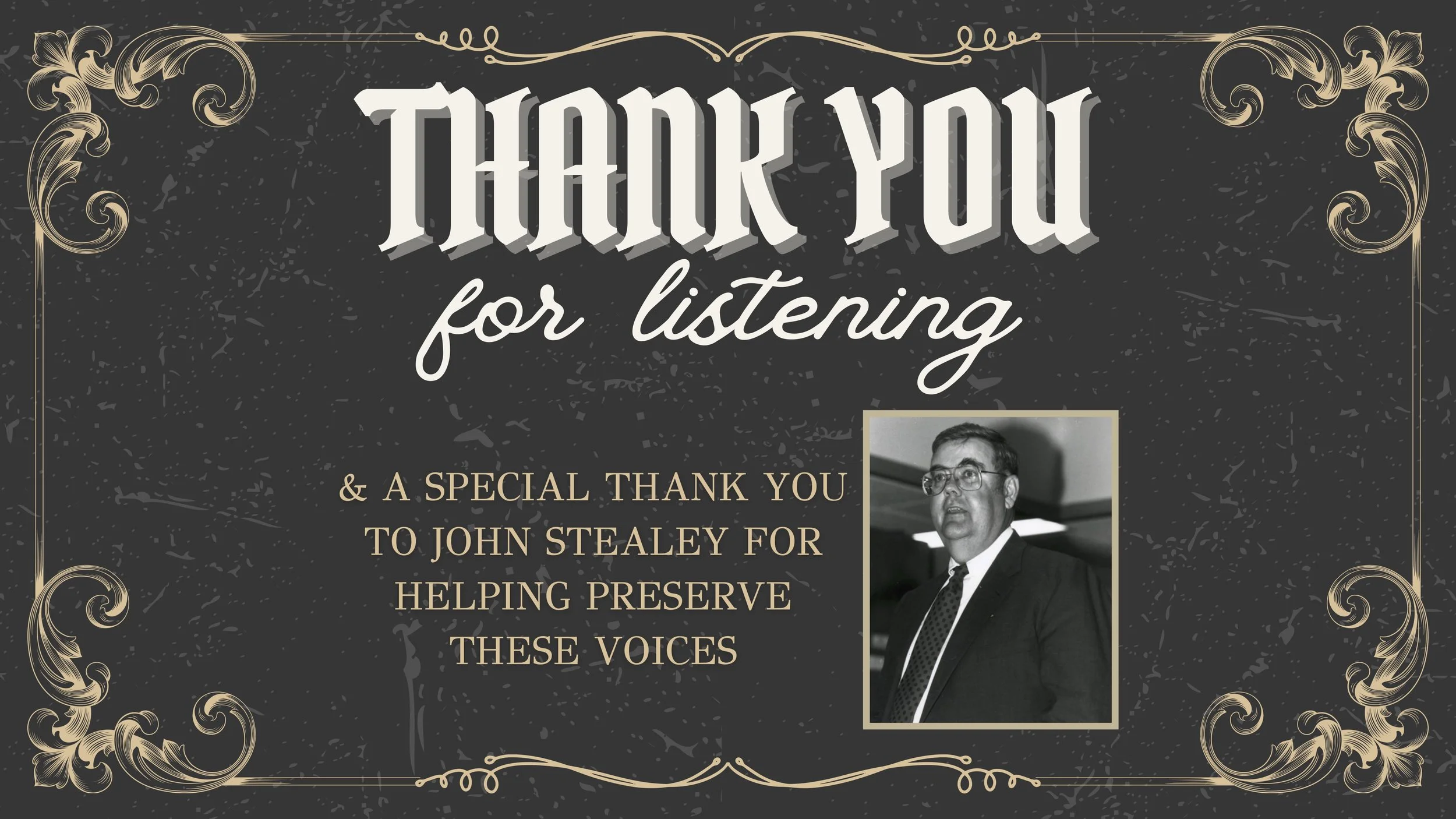
The Early Mining Voices Project is made possible thanks to financial support from the West Virginia Humanities Council, the Appalachian Forest National Heritage Area, and the supporters of Friends of Blackwater. Many thanks also to the Tucker County Historical Society, the Tucker Community Foundation, the West Virginia University Library and Regional History Center, ArtSpring, Cottrill’s Opera House, and the Highlands History and Education Project. We appreciate their partnerships, and their commitment to preserving, understanding, commemorating, and sharing Appalachian peoples’ heritage and history.
Table of Contents
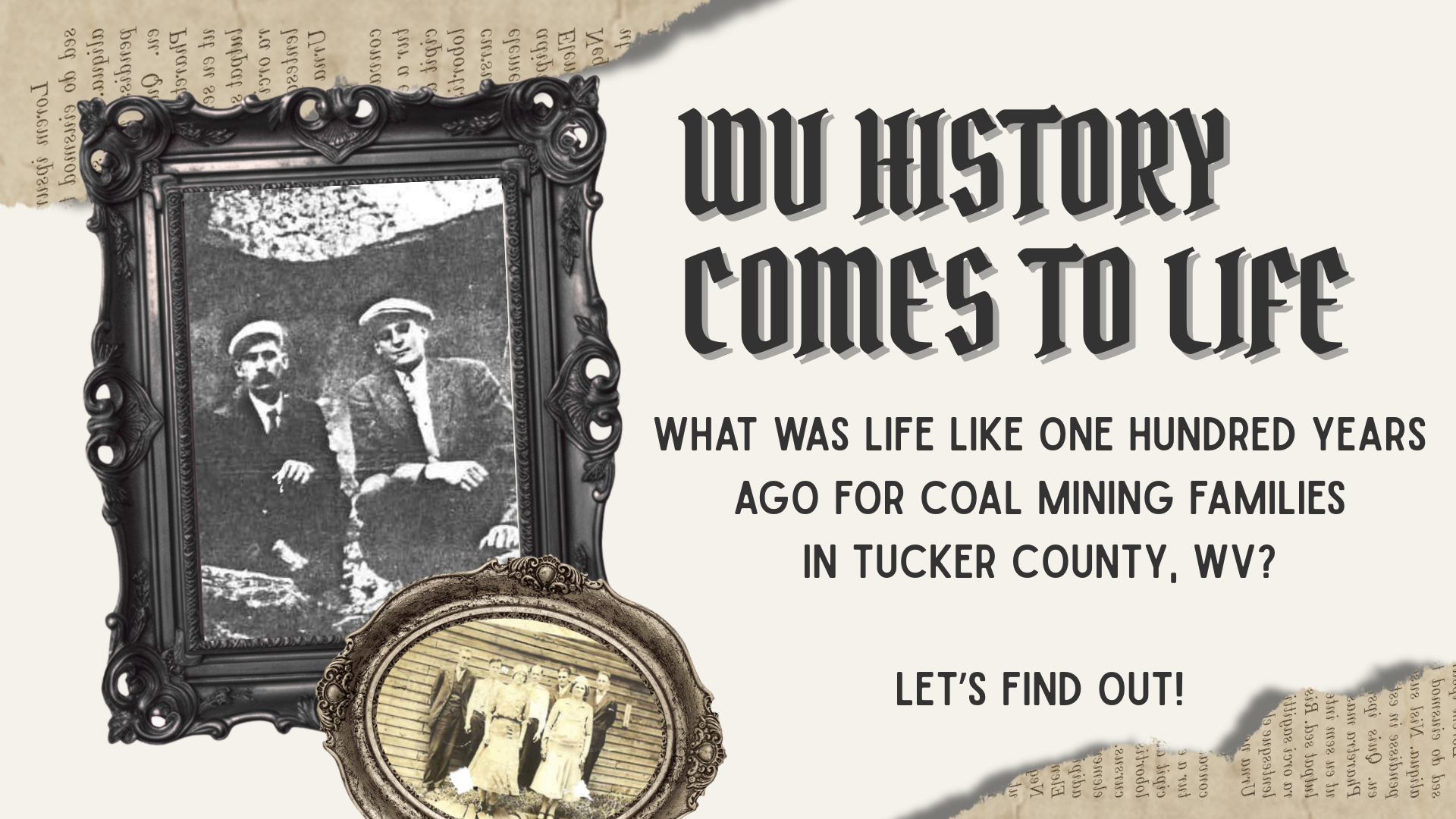
WHAT WAS LIFE LIKE 100 YEARS AGO FOR COAL MINING FAMILIES IN WEST VIRGINIA? LET’S FIND OUT!
Beginning in the late 1800s, tens of thousands of people came to West Virginia from around the world -- to work in huge new underground coal mines. For decades, these workers (and sometimes their children!) drilled and blasted and loaded coal by hand -- providing the fuel that powered America’s industrial revolution – one shovelful at a time.
Early miners and their families endured strikes, explosions, and heartbreaking tragedies -- as well as unparallelled opportunity for achievement.
In the 1960s, more than seventy of these early Appalachian coal miners and their families, who were then in their 70s and older, sat down with a West Virginia University historian and recorded their stories on reels of magnetic tape.
The interviewees were told: “People in the future will want to hear your voice and learn how it was for you back then.” Now, that promise is being kept.
The Early Mining Voices Project began transcribing these 50-year old tape recordings in 2024. It is publishing the interviews online; and community volunteers are bringing the interviews to life through dramatic live public programs and video/online presentations.
Please enjoy this monument to Appalachian people’s courage, endurance, and achievements.
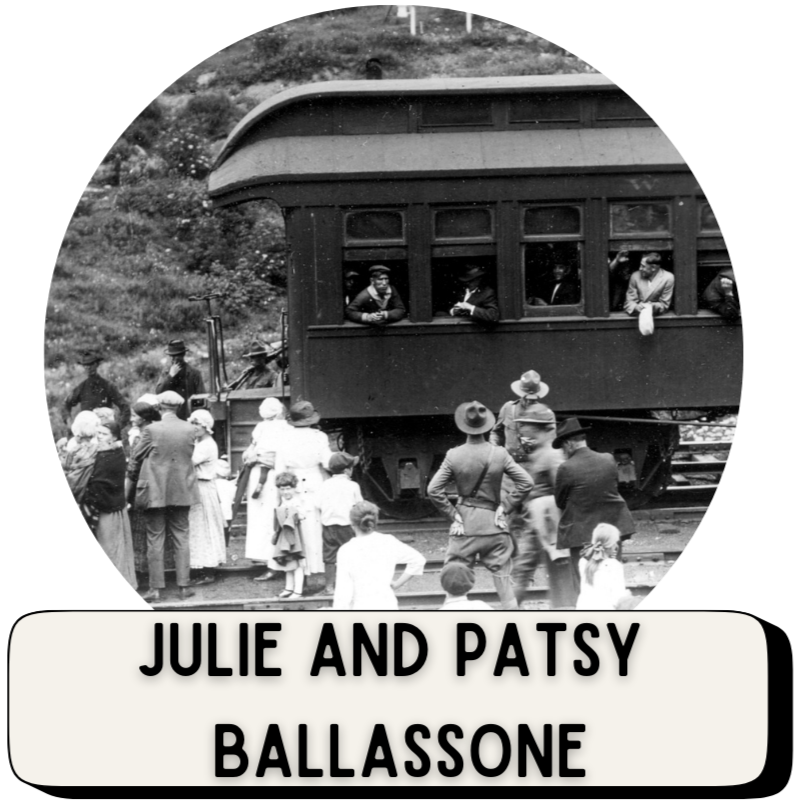
Julia Balassone, the daughter of Italian immigrants, and her coal miner husband Patsy, an Italian immigrant himself, made a living for themselves and their extended family in Thomas, WV. The Balassones protected union organizers and secretly paid union dues through the 1920s. They witnessed declining employment due to coal mining’s gradual mechanization, and then the collapse of the local mining industry from competition and other fuels.
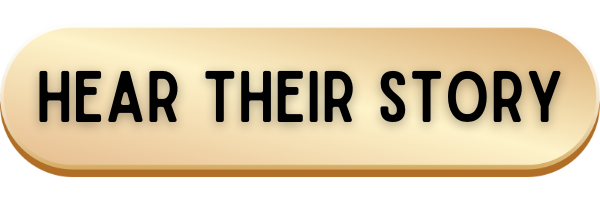

A coal miner his whole life, Carl Perkins was down in the tunnels until the age of 60. Margaret, Carl’s wife, remembers hired policemen, what they called “thugs,” ambushing and beating any potential union organizer that came into town. Carl and Margaret lived through the Great Depression, which often required families to move around for work.
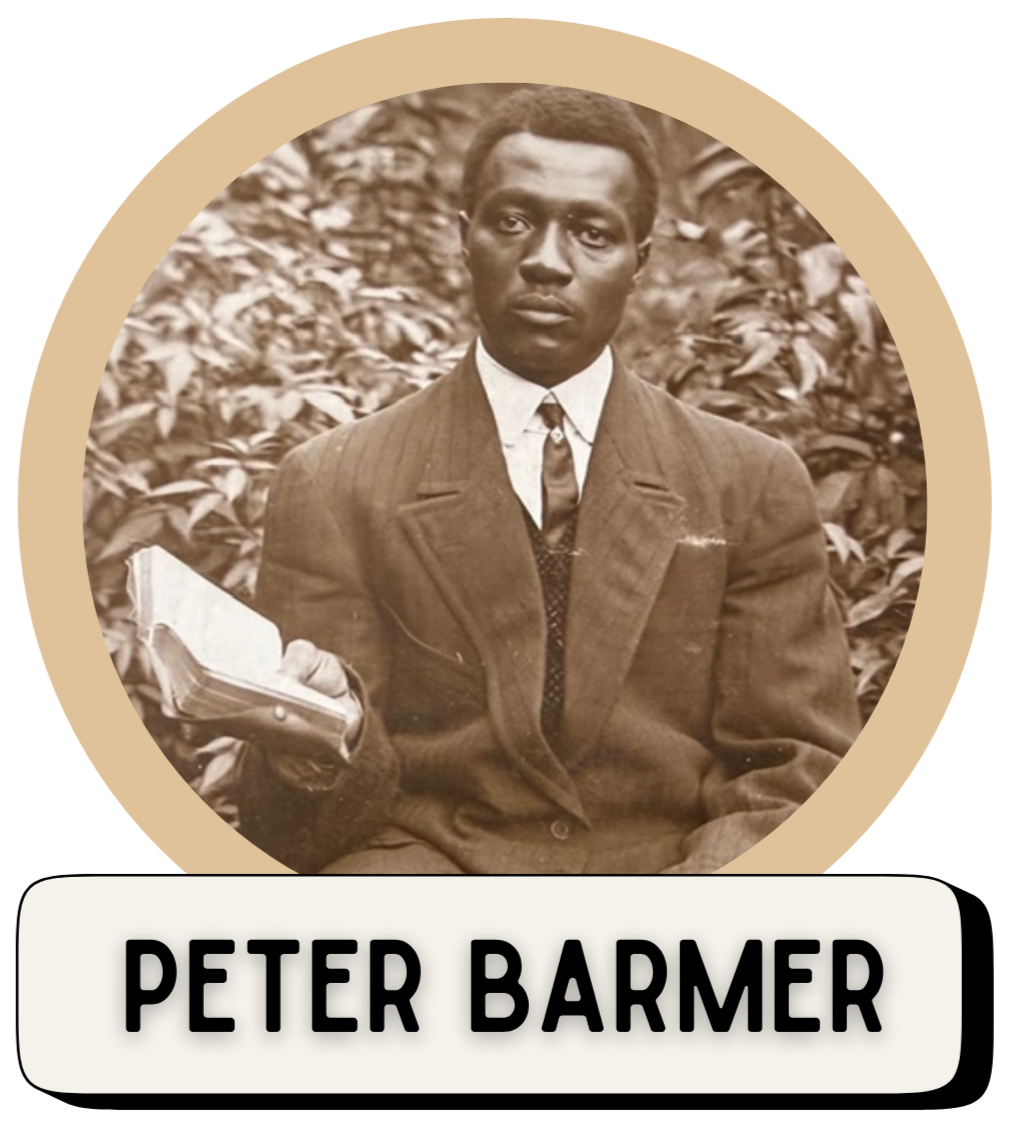
Reverend Peter Barmer was born in North Carolina and moved as a young man to West Virginia when his supervisor became a mine superintendent in Davis. Barmer worked on railroads, at the tannery in Davis, and in several mines. He was an ordained minister and served several congregations of Black workers and their families. The thriving local Black community gradually declined, and at the time of his interview Barmer’s family were the only ones left in town.

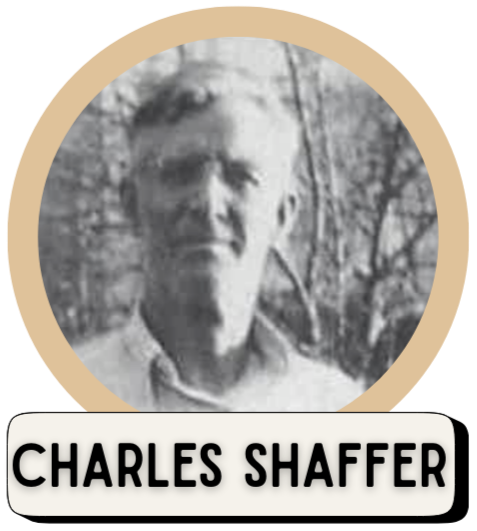
Shaffer, from a local farm family, became the Davis Coal and Coke Company’s blacksmith. During the 1922 strike, the company imported new workers from Georgia. When the newcomers realized they were scabs, they refused to work. One of the first local union organizers, Shaffer hired an attorney and convinced the company to pay for their journey back home.
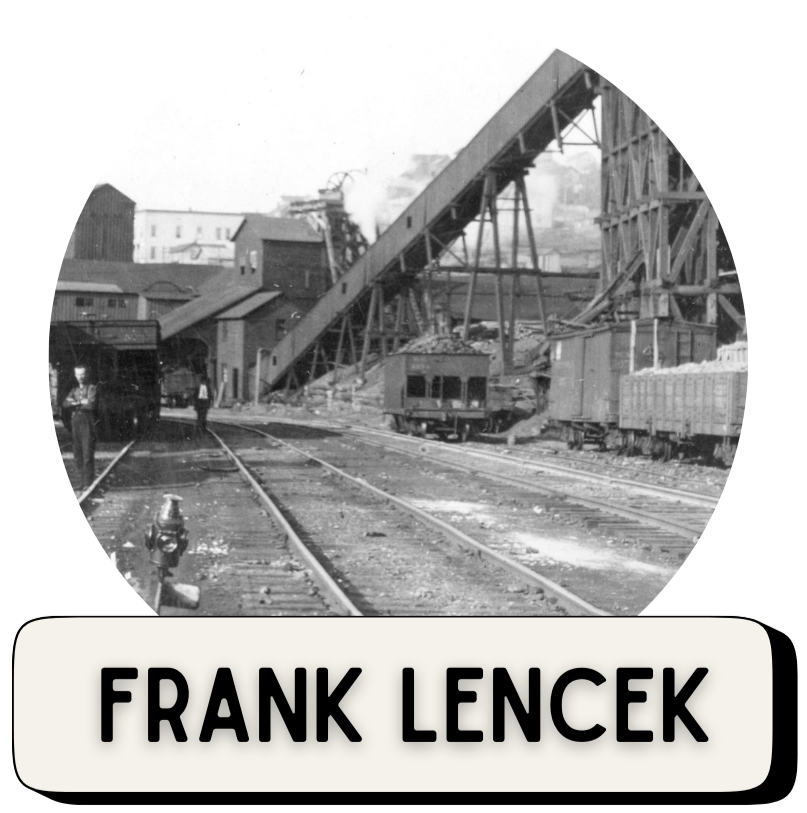
Frank Lencek travelled in a steamship from Yugoslavia to Appalachia because his neighbor back home had gotten a job there. Frank struggled to find consistent work, bouncing from timbering, to mining, to farming. He remembers the 1922 strike vividly: miners picketing to protect their incomes while screaming policemen pointed machine guns at the crowd.

Charlie Losh spent most of his life in the company town of Pierce, WV. Losh details the dramatic shift the community faced when the mines started shutting down; Pierce’s population went from several hundred families to just a dozen in just a few years.
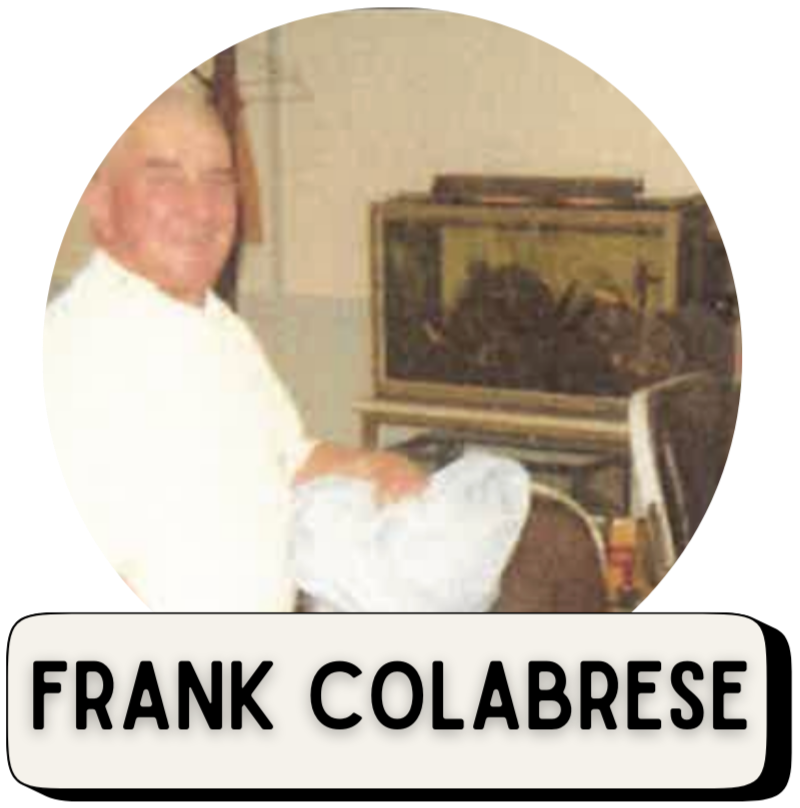
A coal miner since he was 11 years old, Frank Colabrese was born in Italy and raised nine children in Douglas, WV and was an influential member of the community. The notble “Barbershop Falls” on the Blackwater River are named due to their proximity to Frank’s weekend haircutting business.

Charles Nichols’ mining jobs began when he was 12 and varied from harnessing mules to loading coal. His parents were Lithuanian immigrants. He talks of mine explosions, union-busting and pay cuts, coerced voting, diverse communities, and a recurring lack of jobs as the mines adjusted to changing economies.
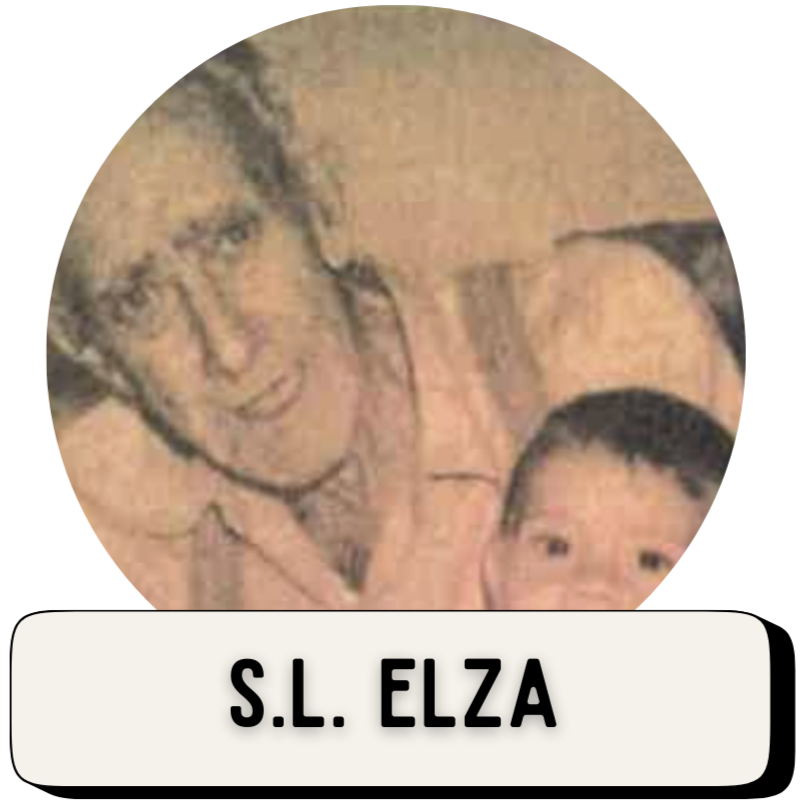
Elza was born in Randolph County, West Virginia and spent most of his mining career at Point Marion. He moved to Tucker County, attracted by the local mine’s union. Elza recollects the good work but dwindling employment that came after WWII.
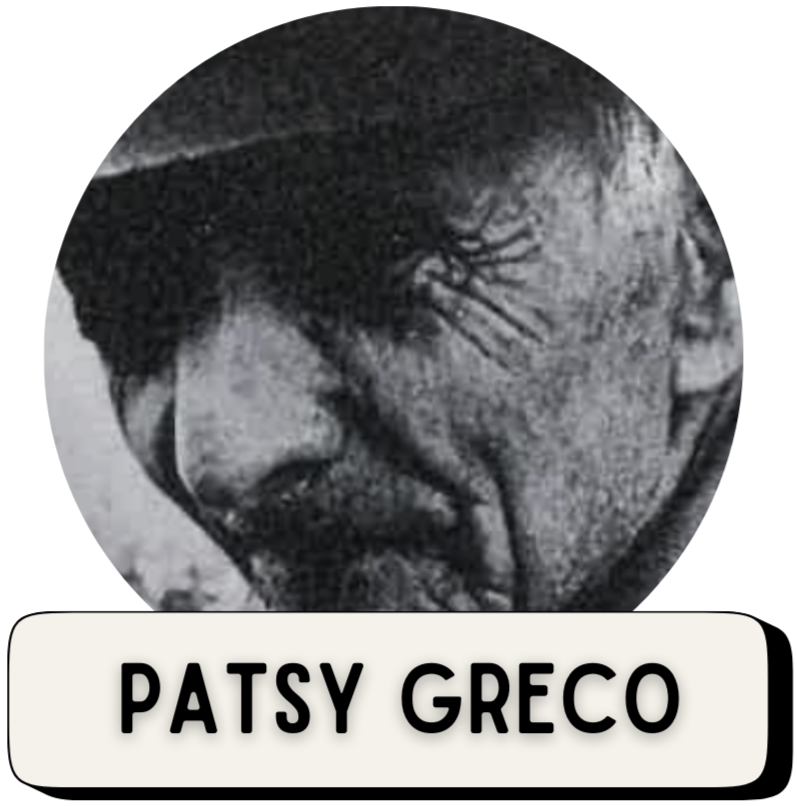
Patsy Greco was 13 when he set sail for America from Italy. He found his way to Thomas, WV because his uncle spoke of the town’s “civilized” nature. Patsy’s interview discusses horrific mining accidents, the area’s many unionization efforts, and how mine operators decided who miners voted for.
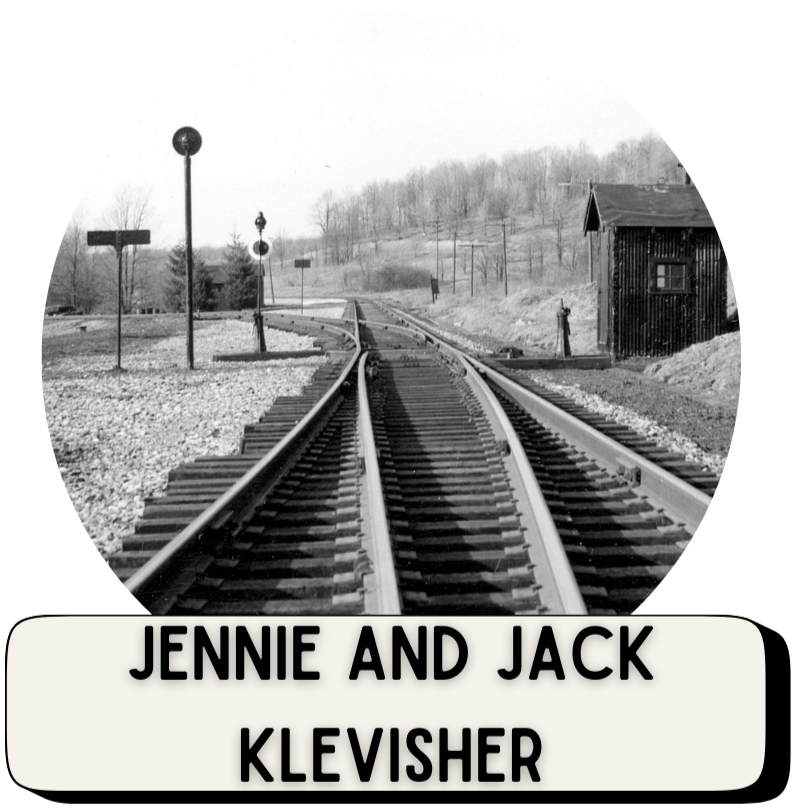
Jack Klevisher came to Pittsburgh from Yugoslavia, eventually finding his way to coal mining in Tucker County, WV. There he met Jennie, another Yugoslavian immigrant. Bouncing between mining towns, they raised two children in Pierce, WV.
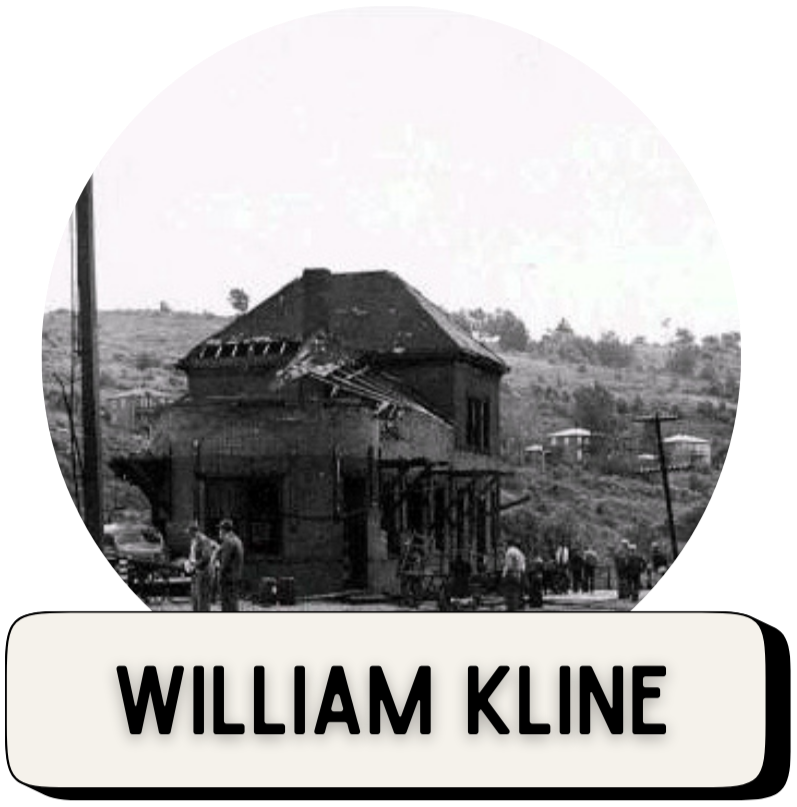
During the strike of 1922, William Kline was working for the Babcock Lumber Company, which was common when the demand for miners was low. Kline remembers the company imprisoning striking miners in a tennis court and sending them down the Blackwater Canyon to Parsons, WV. Their train would crash, killing one and injuring many.