

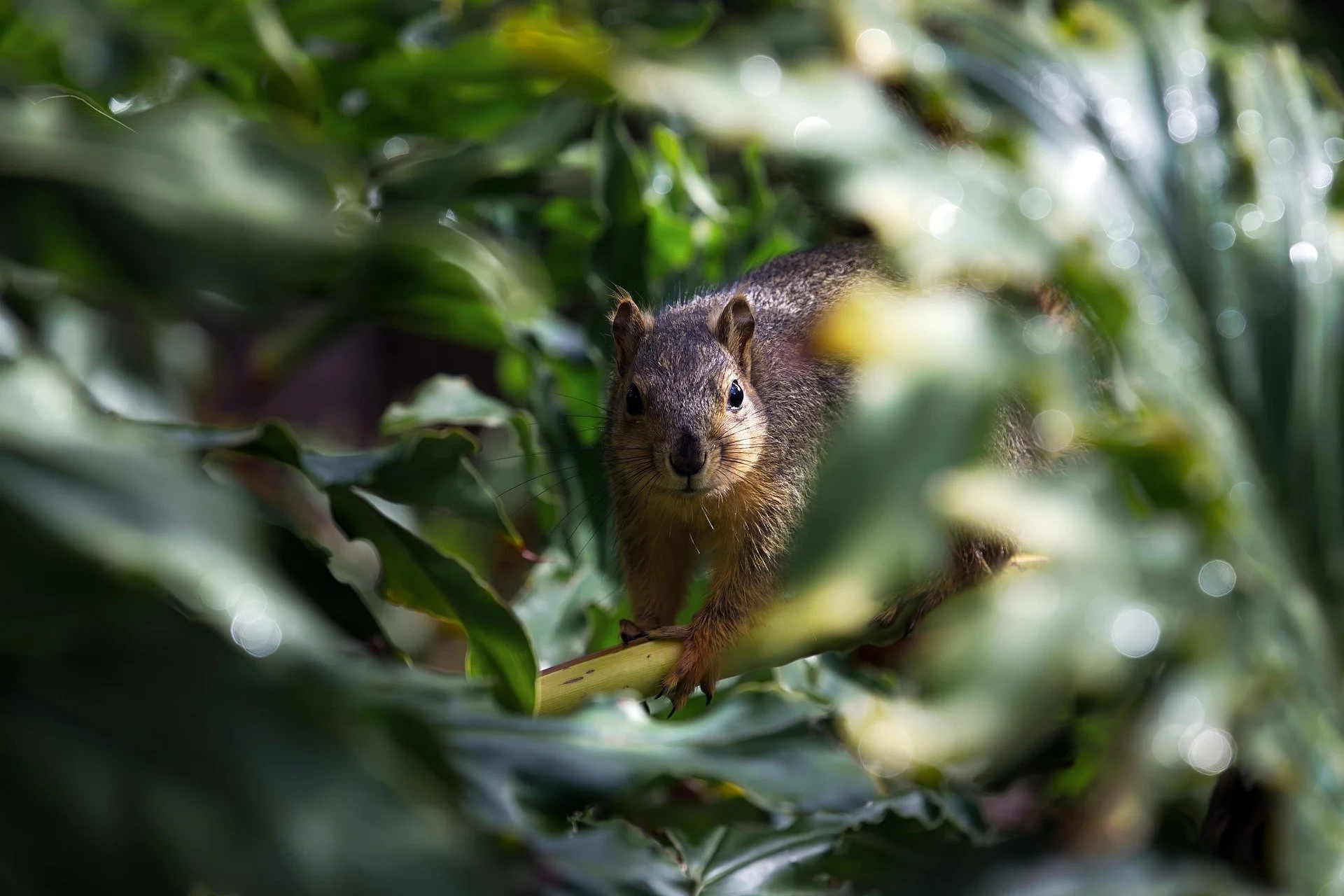
Rodentia
(Order)
Sciuridae
(Order)
Squirrels
WV Northern Flying Squirrel
Glaucomys sabrinus fuscus
The West Virginia Northern flying squirrel is a subspecies of the Northern flying squirrel. They require cool, high-elevation habitat like what can be found in the Allegheny Highlands. Northern flying squirrels can currently be found here as well as to the North, up into Canada stretching west to the Rockies.
What’s interesting is they cannot be found in between here and the North. Why? Well, back during the Ice Age, these squirrels could survive throughout here to Canada, but when things started heating up, they could no longer survive the lower elevations in between.
This caused there to be a gap in their range, restricting the individuals in the mid-Appalachians to the highest elevations. Based on genetics, they have determined that all remaining Northern flying squirrels originated from the populations in West Virginia. These tiny squirrels have the ability to glide (not truly fly) from high elevation to low using flaps of skin in between their legs called “patagia”. They feed on numerous items including truffles, lichen, seeds, cones and other botanicals that their mixed red spruce hardwood forests provide.
Recent research further highlights the importance of protecting flying squirrel habitat. In a 2026 review published in Global Ecology and Conservation, researcher Winston P. Smith examines how habitat loss and forest fragmentation threaten northern flying squirrel populations. Read the full research article in the PDF below to learn more about the importance of protecting the forests these remarkable animals depend on.
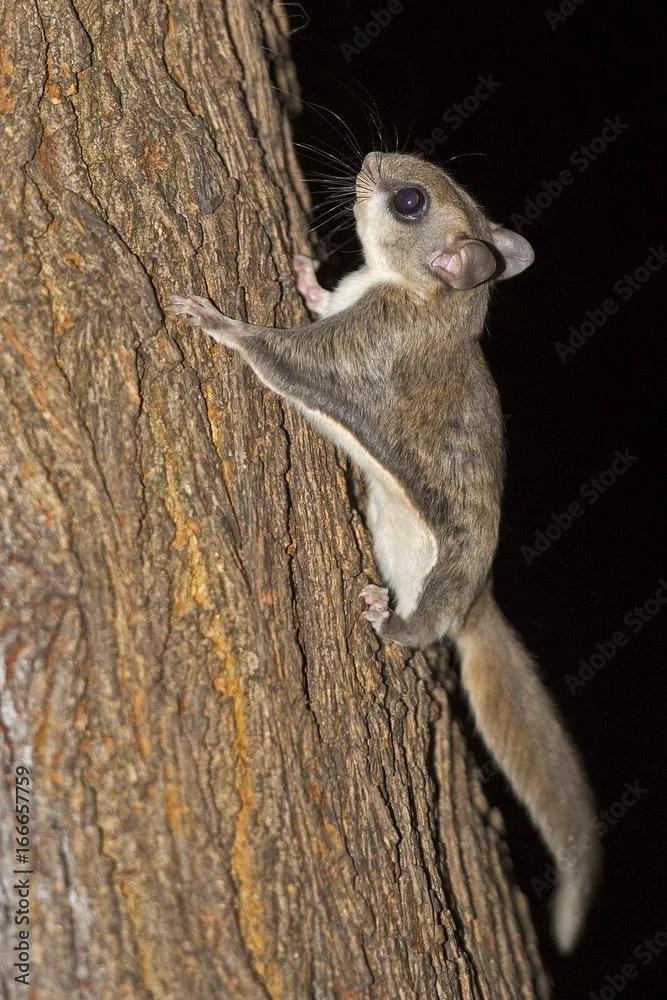
Southern Flying Squirrel
Glaucomys volans
Just like the WV Northern Flying Squirrel, these flying squirrels are easily distinguished from other squirrels by the presence of patagia (the flaps of skin stretching between limbs and used for flying). They can be distinguished from G. sabrinus fuscus by the color of their belly, which is creamy white.
They have a grayish brown coloration on their back and a brown eye ring. They inhabit deciduous forests abundant in mast-producing trees. They reach a maximum total length of 25.3 cm and a maximum tail length of 3 cm.
Flying squirrels have a diverse diet consisting of fruits, seeds, and nuts, along with insects and occasionally fungi. They are Nocturnal creatures, and have great abilities to find their nests if relocated.
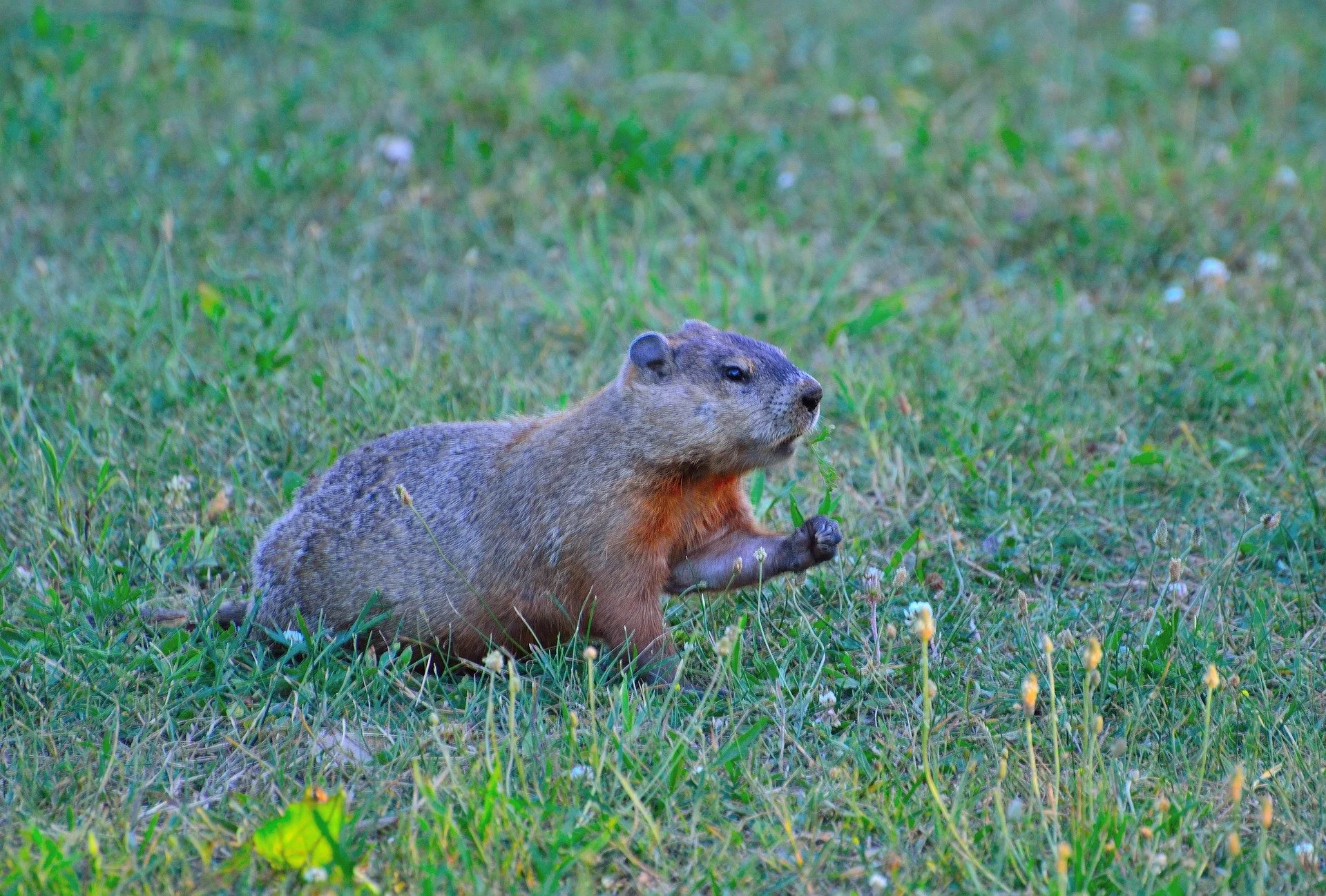
Groundhog
Marmota monax
The Groundhog is the largest member of the squirrel family in the Blackwater River shed and famously known for predicting the length of winter based on its shadow.
They have thick brown fur with a slightly lighter belly, -along with long claws, small eyes and a blunt head. They inhabit meadows, fields, and forest edges. Groundhogs are an important contributor to the maintenance of healthy soils. They are also known for Whistling, to communicate threats to their young or other groundhogs.
Groundhogs like other squirrels are primarily herbivorous. Consuming vegetation such as wild grasses, berries, bark, and leaves.
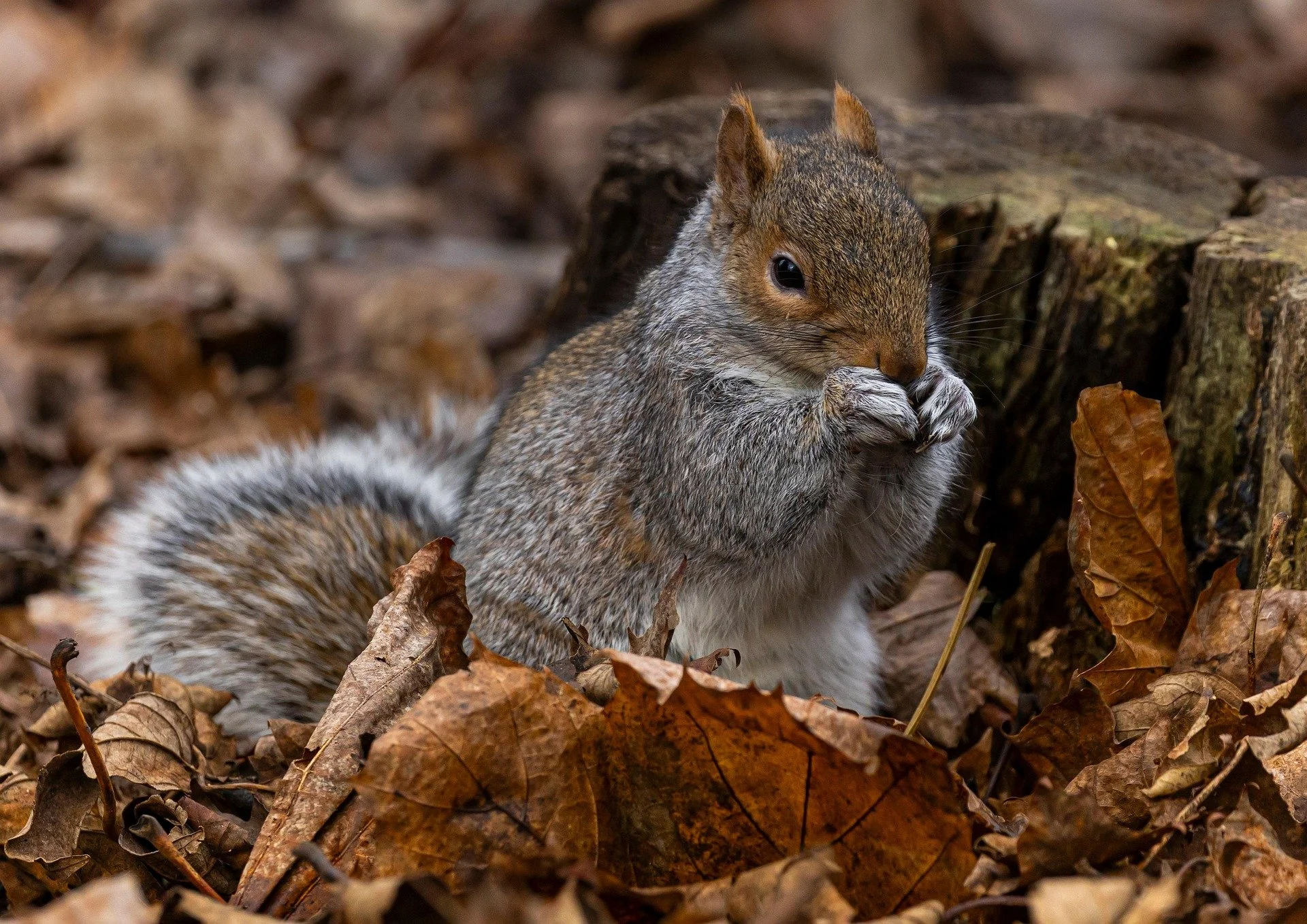
Eastern Gray Squirrel
Sciurus carolinensis
The Eastern Gray Squirrel is primarily gray with white fur on the chin throat and belly. They have extremely bushy tails and are commonly seen. They inhabit deciduous forests with dense understories. They reach a maximum total length of 53.8 cm and a maximum tail length of 24.8 cm.
Eastern gray squirrels are known as “scatter-hoarders” meaning they hoard food, in caches throughout various places to unearth later. Some are left for months, others are temporary.
Fox Squirrel
Sciurus niger
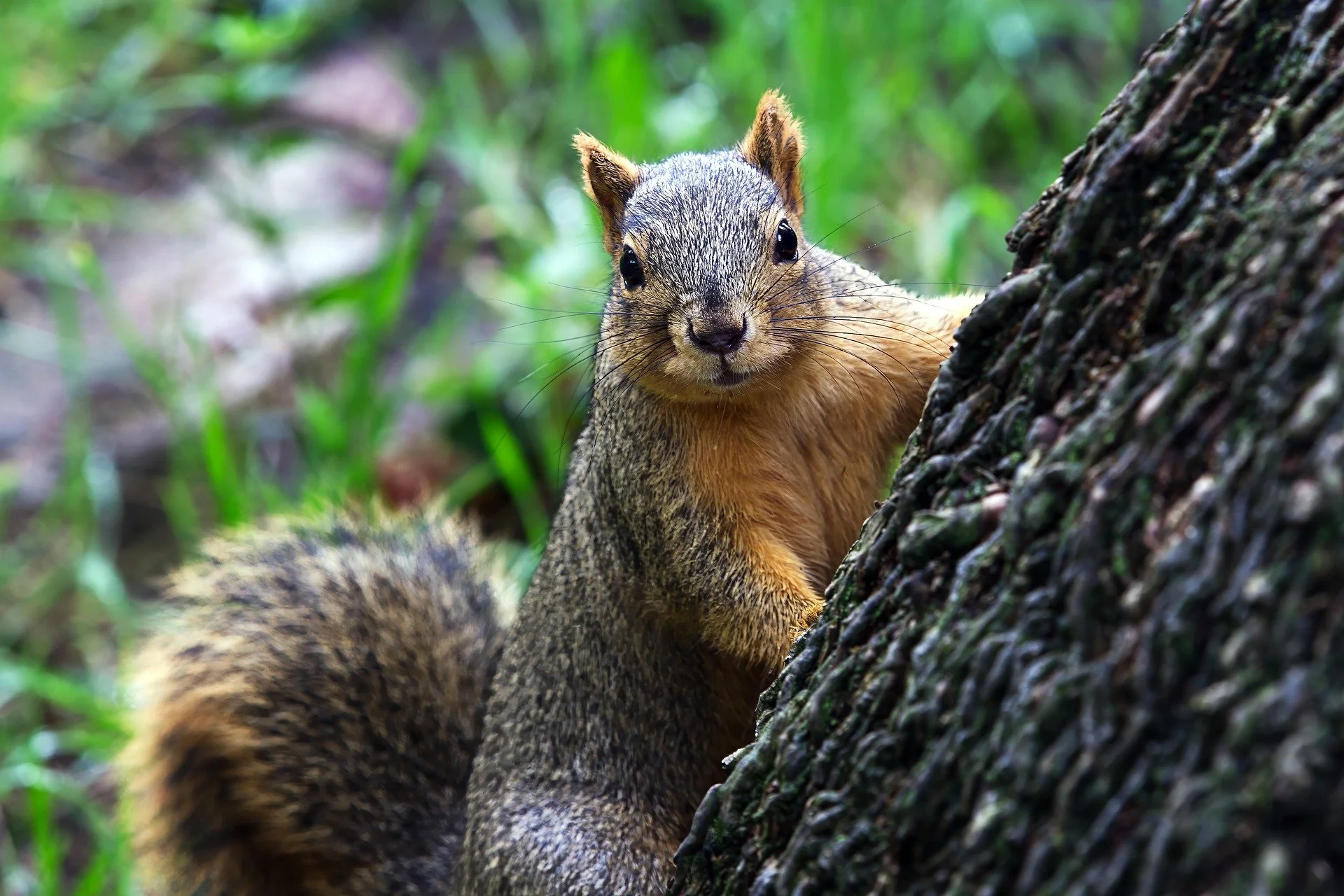
The Fox Squirrel is the largest tree-dwelling squirrel in the Blackwater River Watershed. They have a dark head, brownish-orange coat, and a long bushy tail. The underside is yellowish brown, and their tail hairs are tipped with brown. They are uncommon here and may be seen inhabiting deciduous forests with a poorly developed understory.
They reach a maximum length of59.2 cm and a maximum tail length of 28 cm.
Red Squirrel
Sciurus vulgaris
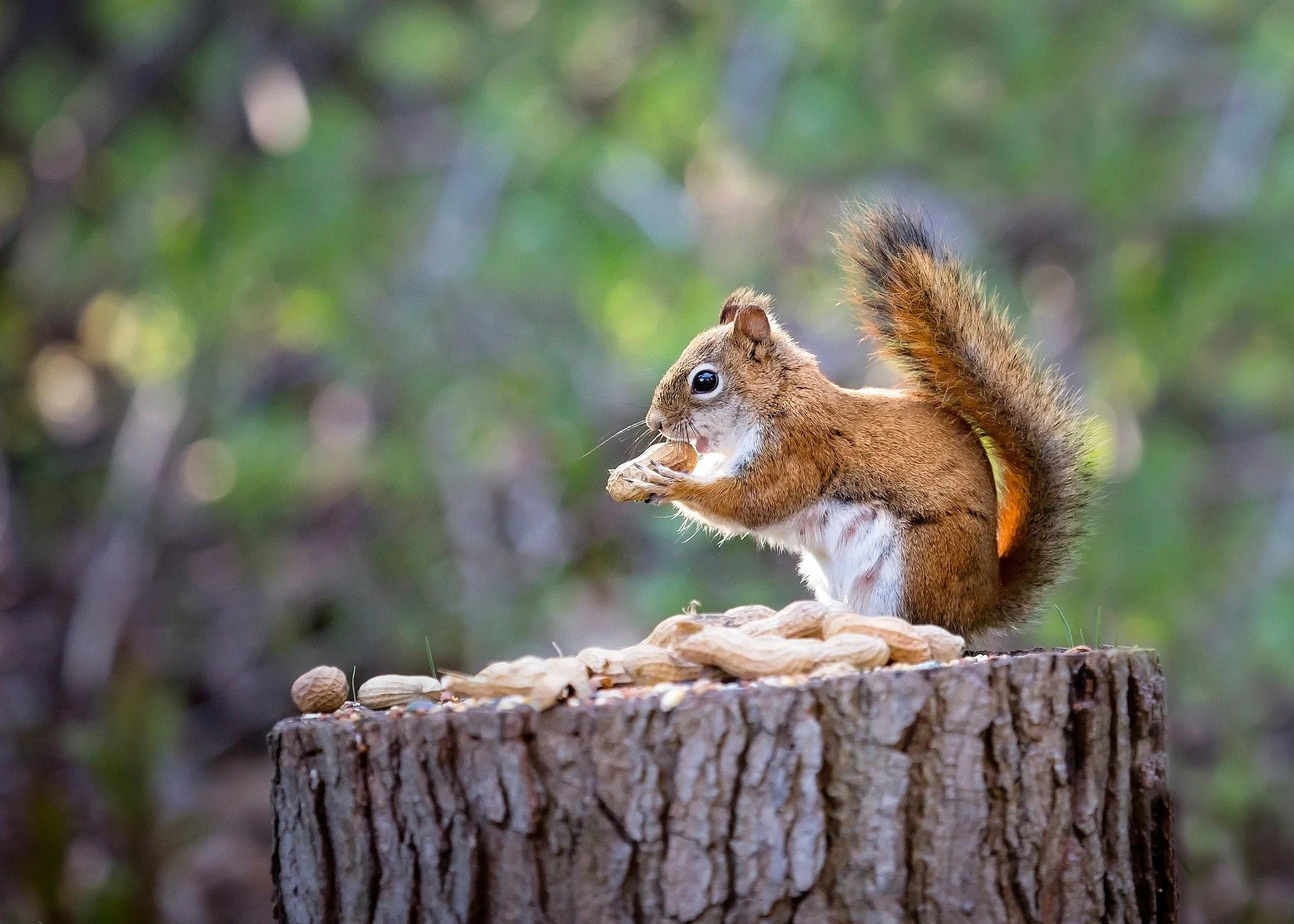
Commonly referred to as “fairydiddles”, Red Squirrels can be identified by their red color and white ring around their eyes. They are smaller than Fox Squirrels and Eastern Gray Squirrels. They have tufts at the tips of their ears during winter. They exhibit a dark stripe along the sides during the summer.
They are most common in coniferous forests, but also inhabit mixed forests. They reach a maximum length of 35.2 cm and a maximum tail length of 16.5 cm.
Eastern Chipmunk
Tamias striatus
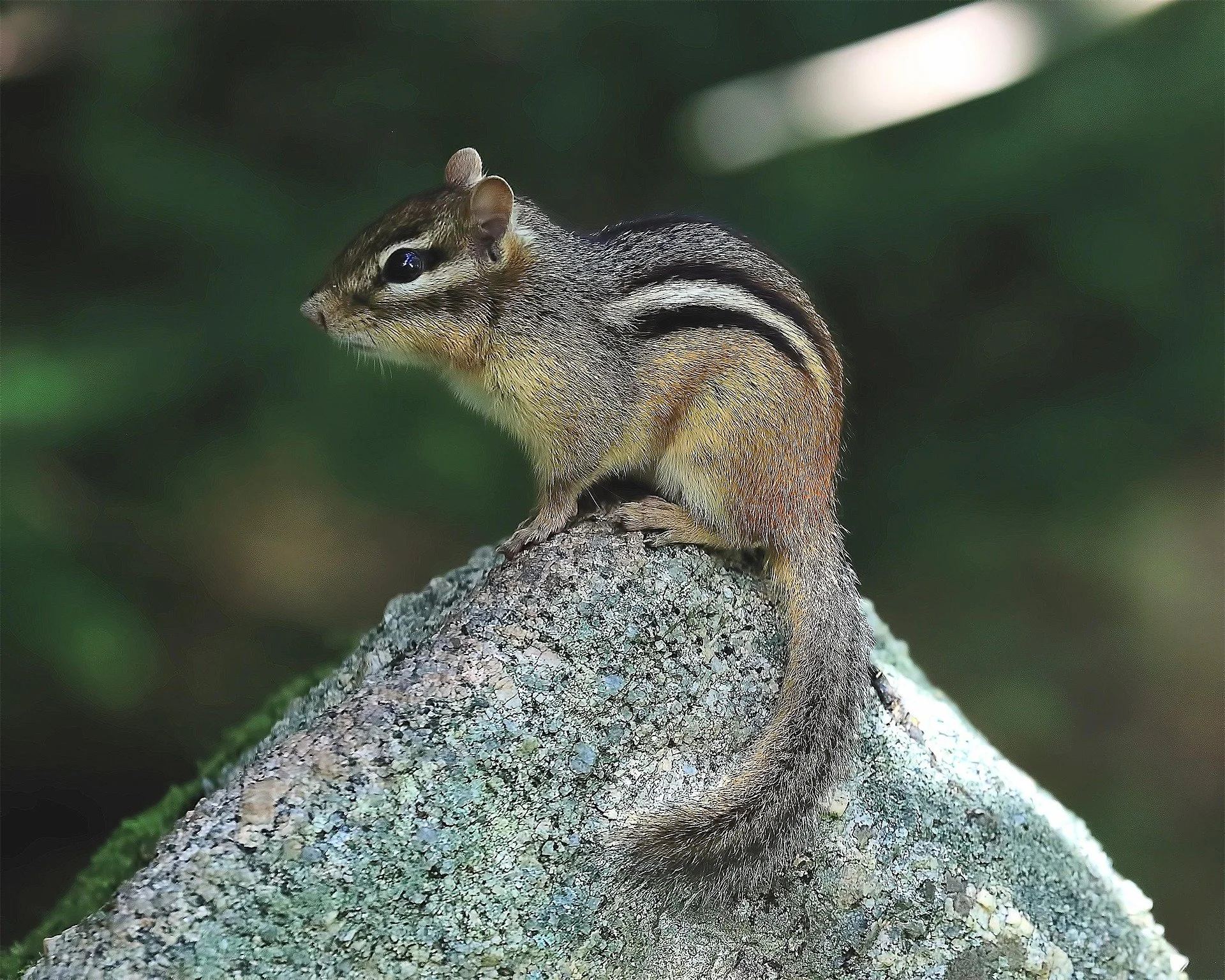
Easy to Identify, with a light brown color on their backs, white bellies, and two white stripes stretching along their backs- Eastern Chipmunks are our smallest non-gliding squirrels.
They have flat, bushy tails. They inhabit hardwood forests with dense understory and a high abundance of stumps, rocks, and logs. They reach a maximum total length of 26.8 cm and a tail length of 10.9 cm.