

Rodentia
(Order)
Cricetidae
(Order)
Voles, Rats, Mice & Lemmings
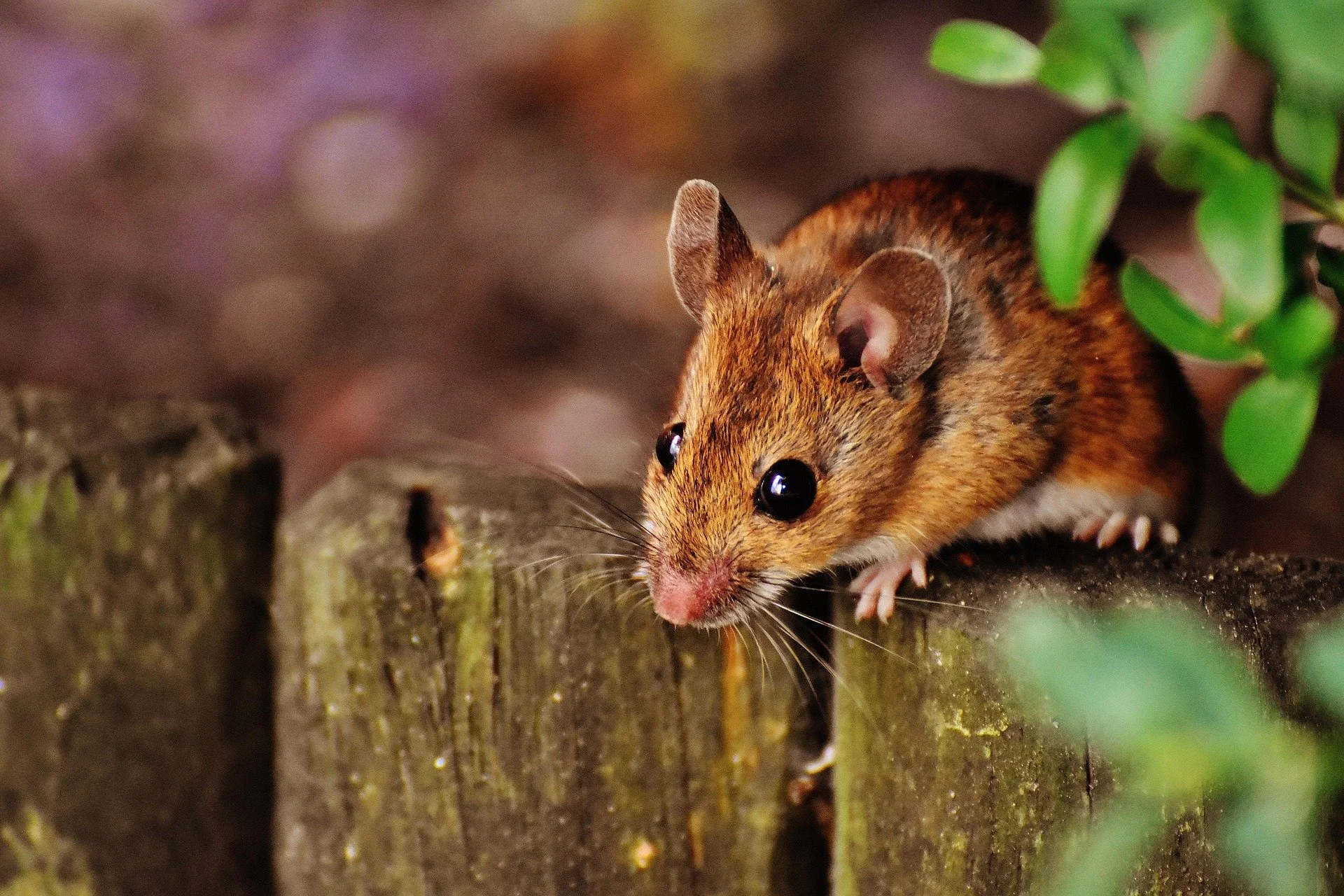
Allegheny Woodrat
Neotoma magister
The Allegheny woodrat has a base fur color of brown to gray. Their fur is soft and their tails are distinct in that they are covered in fur, dark above and light below. They inhabit rocky areas within mixed-mesophytic forests. They reach a maximum length of 45 cm from head to tail.
They are the second largest Member of the Native North American rat family. They prefer rock outcrops, mountain ridges, cliffs, caves or rock piles. They primarily eat plants, seeds, buds, leaves and acorns. They eat about 5% of their bodyweight per day.
Muskrat
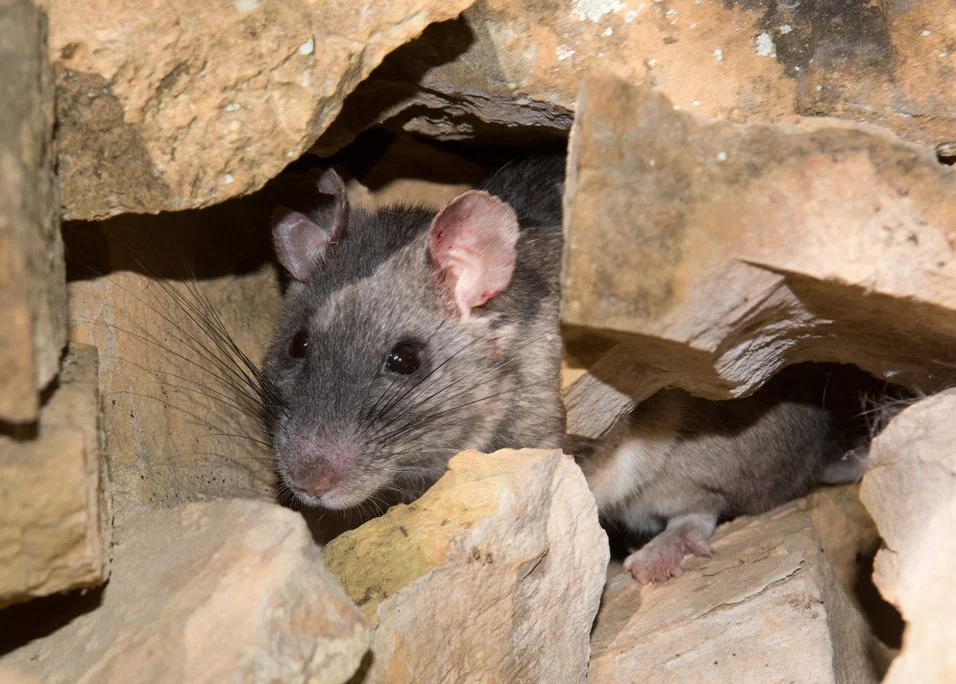
Ondatra zibethicus
Muskrats are large semi-aquatic members of the Cricetidae family. They have thick. brown fur that varies in darkness. They have long, scaly tails that aid in propulsion through their aquatic habitats. They inhabit wetlands with an abundance of vegetation, such as ponds and slow-moving rivers and streams. They reach a maximum body length of 35.5 cm.
Muskrats have webbed hind feet that enable them to move through the water quickly. They spend the majority of their time in the water, building burrows and nests along banks to protect themselves from the cold or predators.
White-footed Mouse
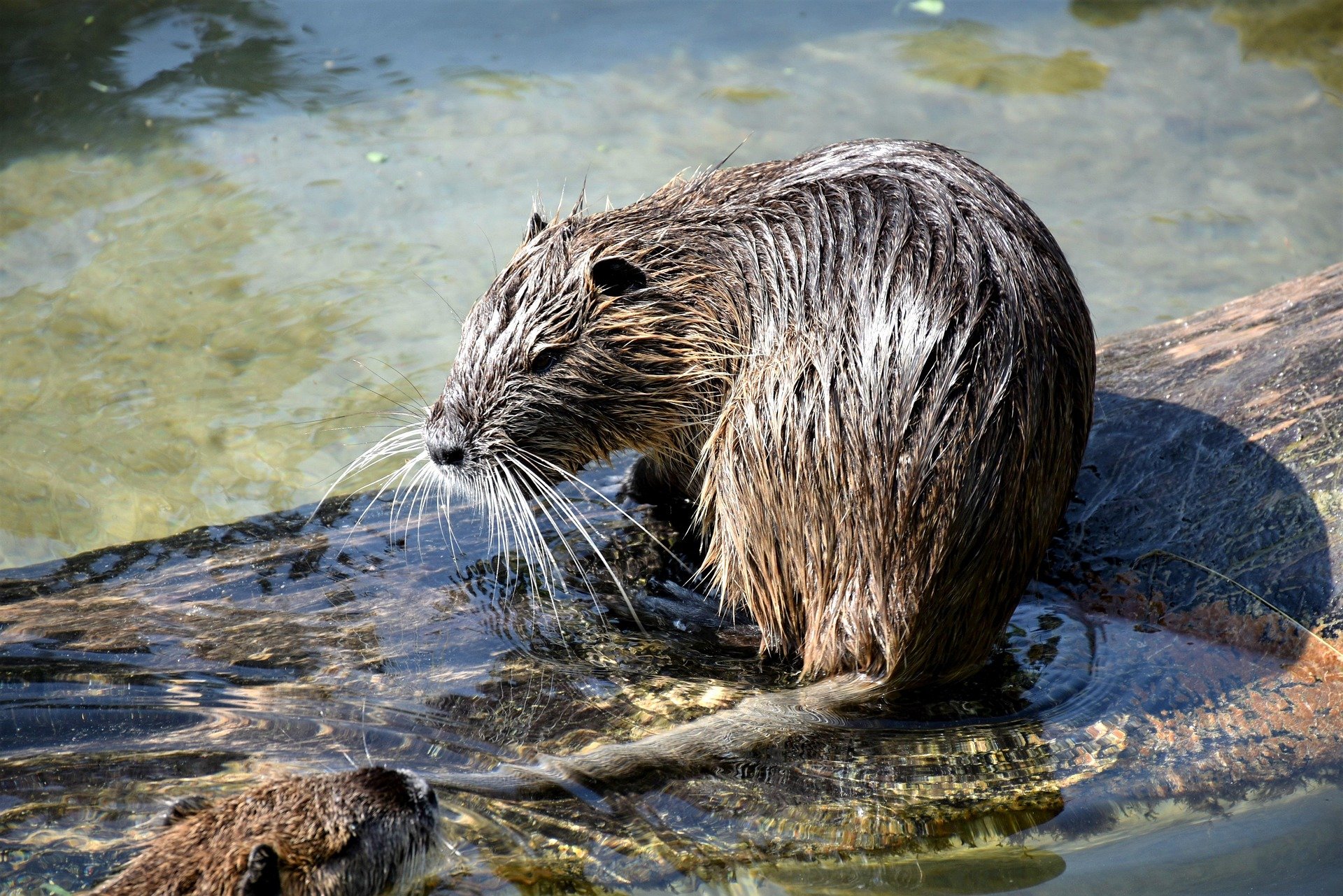
Peromyscus leucopus
The White-footed Mouse has a gray brown to reddish-brown coloration, with distinct separation of color to a white belly and legs. They are found most commonly in mixed mesophytic forests and utilize fallen branches and trees as refugia. White-footed Mice prefer drier areas of the forest.
They are omnivorous, eating seeds and insects. They are often voracious predators of moth pupae.
Deer Mouse
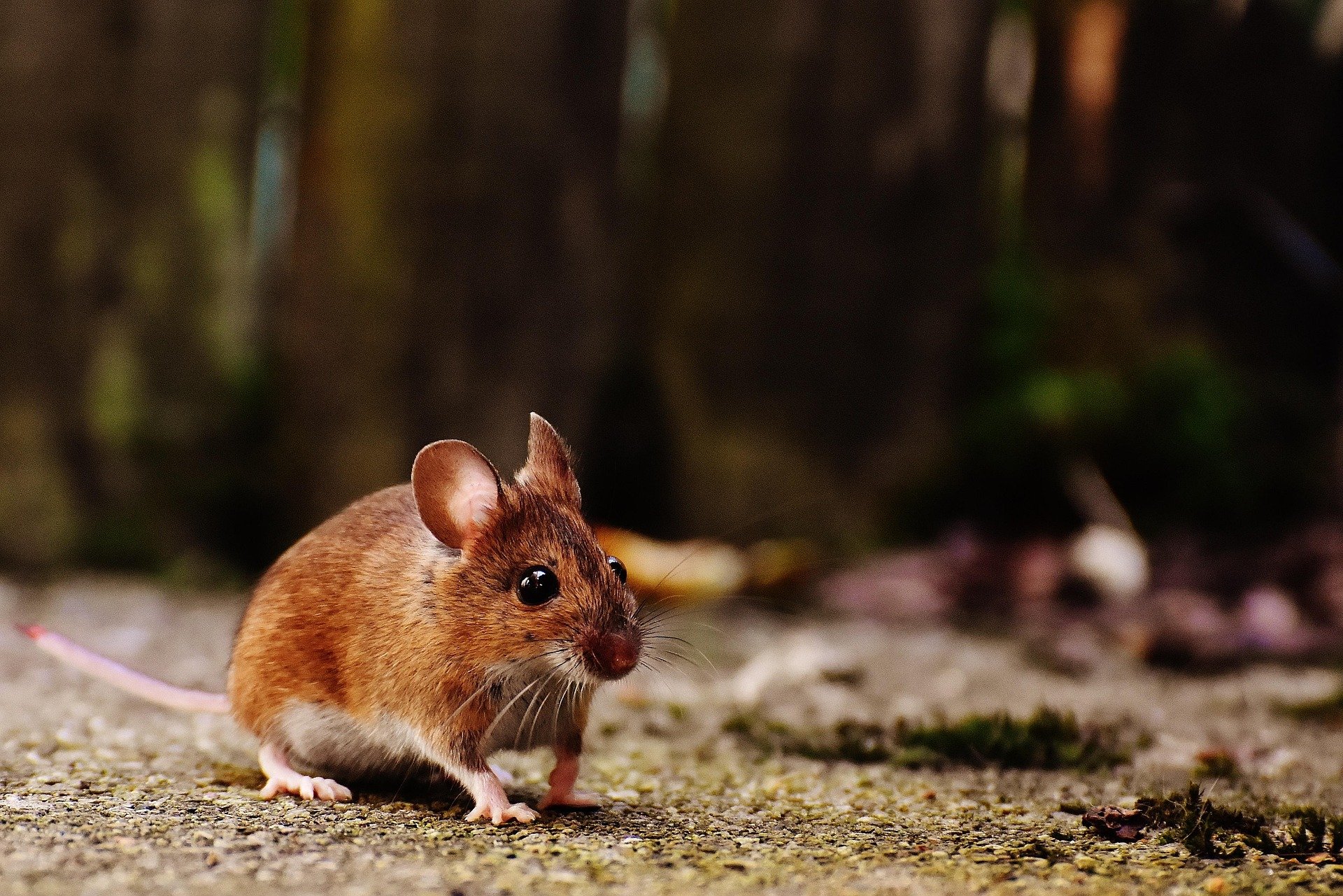
Peromyscus maniculatus
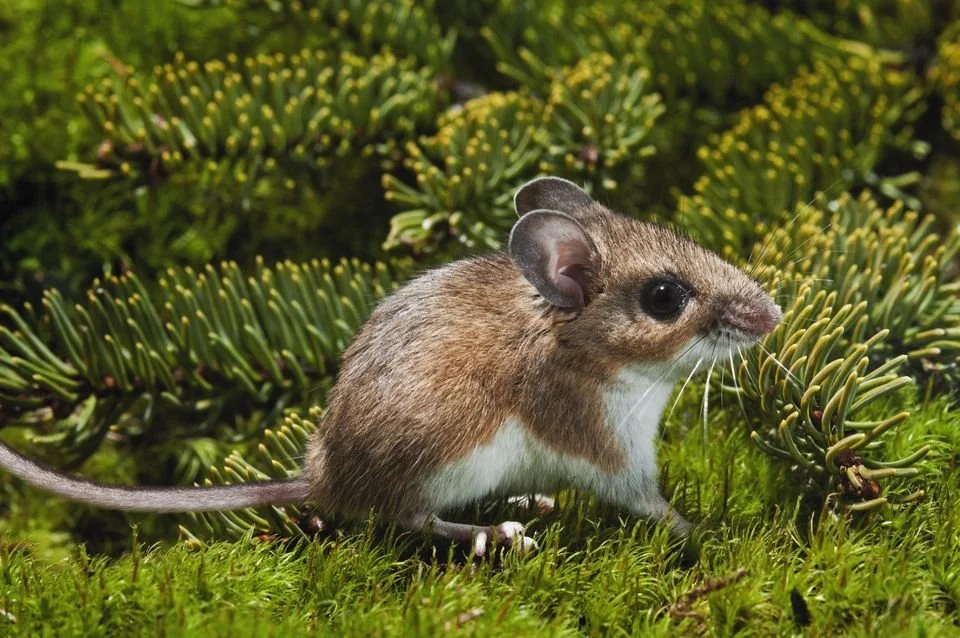
Deer Mice are very similar in appearance to White-Footed Mice, yet they tend to be grayer in coloration with a more gradual transition to their lighter underside color. They are generalists that will occupy a large array of habitats including high-elevation hemlock-hardwood forests, mixed-mesophytic forests, and dry meadows. They are fast runners and skilled jumpers, their name coined to their agility in 1833.
Deer mice reach a maximum body length of 10 cm, with an equally long tail.
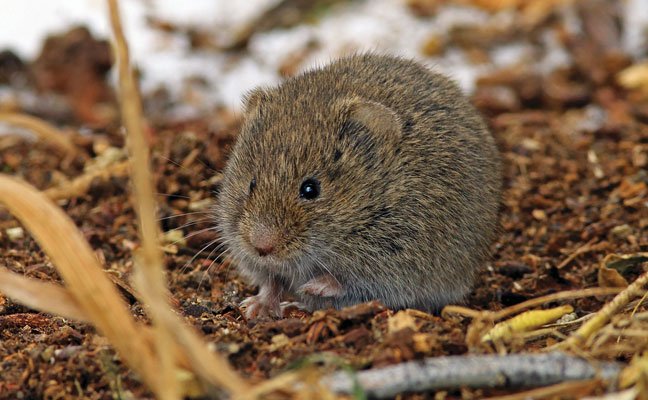
Southern Bog Lemming
Synaptomys cooperi
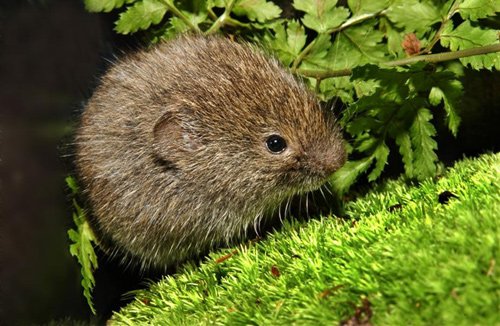
Southern Bog Lemmings are the smallest members of the Arvicolinae subfamily (voles, muskrats, lemmings). They have long brown hair on their back that transitions to brownish gray on the sides and belly. They have small ears that are hidden within their thick fur, and extremely short tails only slightly longer than their hind feet.
They inhabit meadows abundant in sedges as well as grassy clearings in forests surrounded by mats of moss, liverworts, and ground cedar. They reach a maximum body length of 14.5 cm.
Boreal Red-backed Vole
Clethrionomys gapperi
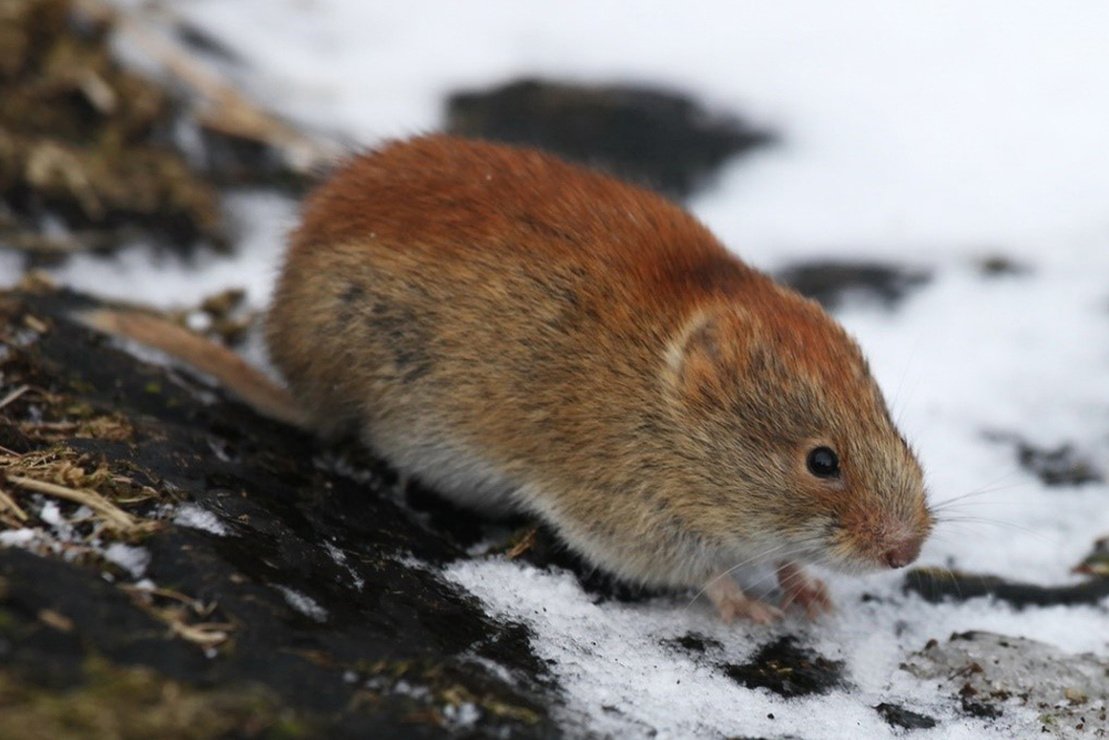
The Red-Backed Vole is a small, mouse-like rodent with an overall round shape. They have a blunt nose, short ears, and a short tail. Their coloration is a base of gray to brown, with a reddish-orange stripe along their backs.
They inhabit damp hemlock-hardwood forests as well as mixed-mesophytic forests. They find refuge under rotting logs and stumps. They are sometimes found foraging among sphagnum bogs and reach a maximum body length of 15.2 cm.
Southern Rock Vole
Microtus pennsylvanicus
Microtus chrotorrhinus
Slightly larger than the Boreal Red-Backed Vole. This species has a large head and ears, short legs, and small eyes. They have an overall dark coloration of brown to gray, with a distinct yellow-orange nose. They inhabit moist, talus slopes with an abundance of moss and logs. They reach a maximum body length of 18.5 cm.
They feed on grasses, moss, berries, fungi and occasionally insects like caterpillars. They’re active year-round but rarely seen.
Meadow Vole
The meadow vole is small with a long, furry tail that is one third to one half of their body length. They have tricolored hair, dark gray at the base, with a yellow-orange center and dark at the tips. Their feet are dark brown.
They inhabit grassy areas such as wet meadows. They reach a maximum body length of 16.5 cm. They dig burrows and are active year-round. They have to eat frequently and consume a variety of plant species.